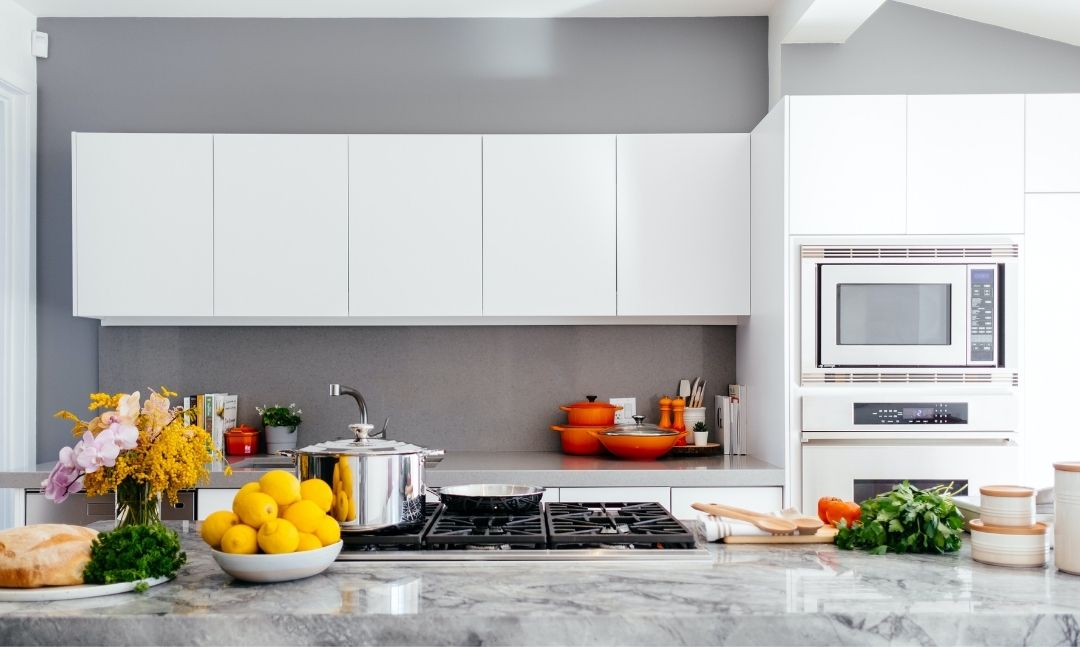
The countertop is naturally one of the first places homeowners look when thinking of ways to improve the appearance and utility of their kitchen. Countertops are used every day for a range of activities; they need to be durable. They are also a highly visible part of the kitchen; therefore, their visual appeal is also important.
“Your choice of countertop for your kitchen will affect you in three main ways. It will influence how carefree and functional your kitchen will be. It will impact the aesthetics of your kitchen and, by extension, the value of your home,” explains Five Star Management. “It will determine how much you spend to look after the countertop or replace it after some years.”
The material you choose for your countertop matters. But of all the available materials which one should you choose? There are many things to consider when making a decision on which type of countertop to buy.
The all-around best material for countertops is natural stone. Why is natural stone the preferred choice?
What is a natural stone countertop and why should you buy one?
Natural stone encompasses a range of countertops made from rock materials found in nature. These stones are mined in huge blocks, cut into shape, and polished. They are completely natural and retain all the qualities of the parent material they were cut from. What is the advantage of buying one of these versus a vinyl countertop for instance?
Unrivalled aesthetics
No other material can match the natural beauty of natural stone countertops. The hues, patterns, and veins of these materials cannot be equaled by anything artificially created. Though a lot of manmade materials come close, none truly mimics the surfeit of unlikely colors and designs nature creates. Natural stone is a magnet for the eyes and like other natural materials, such as hardwood, people feel drawn to them instinctively. Installing a natural stone countertop in your kitchen will transform it immediately.
Ruggedness of rock
Mention the word “rock” and what comes to mind is a material that is almost impossible to damage. This is what you get with a natural stone countertop. Countertops are subject to a lot of abuse: hot objects, coffee and oil spills, slicing by sharp knives, knocks by metal pots, and abrasion by dragging items across their surface. When you buy a natural stone countertop you don’t have to be afraid that any of these will damage the stone.
The individuality of each piece
No two slabs of natural stone are the same and no two natural stone countertops can be identical. Natural stone countertops create an effect that is very different from the mass-produced effect of vinyl, for instance. Just like every tree has a different configuration of trunk and branches, each natural stone countertop has its unique fingerprint. When you install a natural stone countertop in your kitchen, you alone will have that particular design.
The enduring value of stone
Because of its beauty and durability, a natural stone countertop boosts the home’s value as soon as it is installed. But that is not all, with each passing year, the natural stone countertop increases its value, making your home even more valuable as the years go by. This happens because unlike manmade materials which lose their value over time because of depreciation, natural stone gains value as it gets older.
The adaptability and flexibility of natural stone
Each natural stone countertop is made to order. It will be cut by the stone fabricator to match the shape of your kitchen island or any surface where you want to install it. This makes the countertop even more unique. Additionally, a natural stone countertop can be used with any kitchen design. Regardless of the style of your kitchen or your preferences, you will find a natural stone countertop that is perfect for you.
Types of natural stone countertops
There are mainly four types of natural stone used to make countertops. Each one comes with its unique features and advantages.
Granite countertops
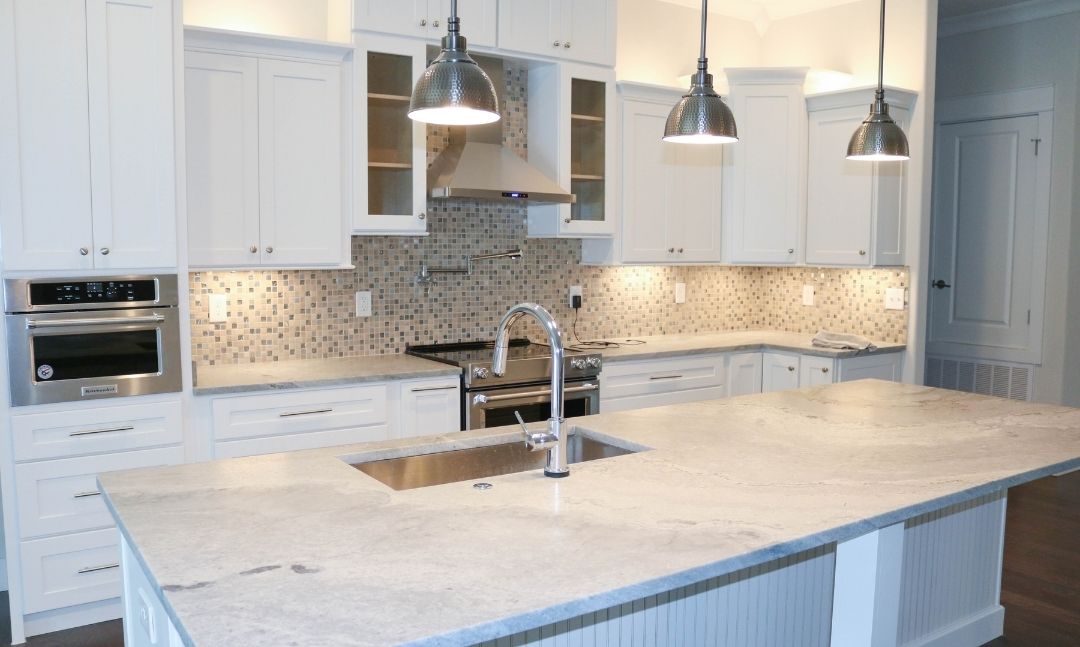
This is the most popular type of natural stone countertop. Its primary advantage is its hardness; it is the most durable natural stone countertop material. Granite needs to be sealed to protect it from moisture.
Marble countertops
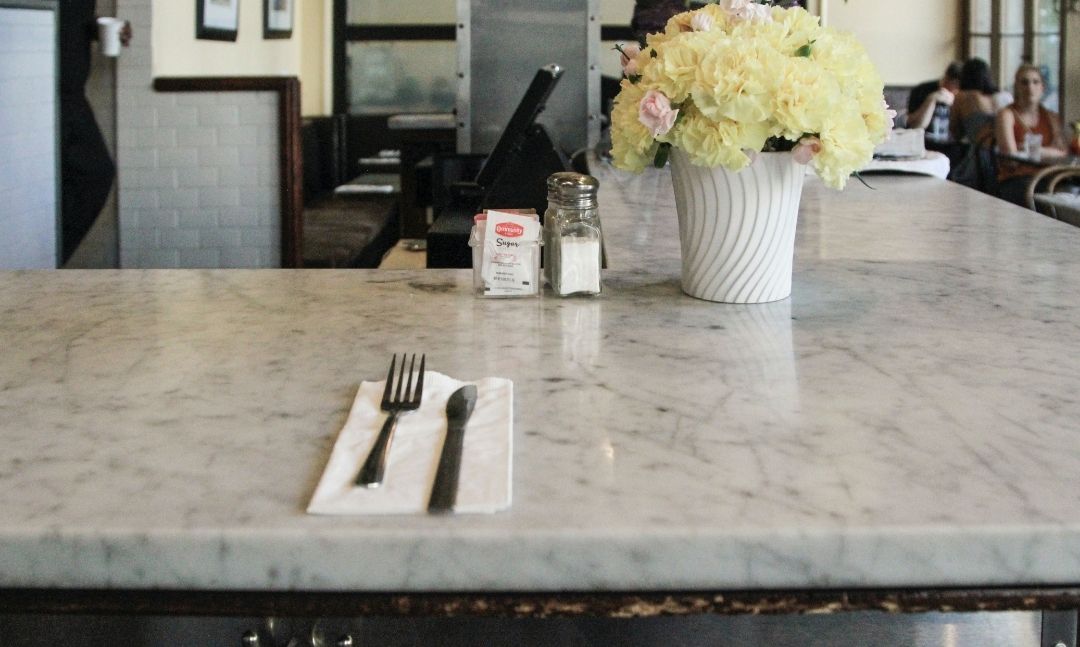
Marble comes with a glass-like finish and a light white appearance that makes it very attractive in the kitchen. Every marble slab is unique in its veining and etching. Marble countertops have high heat resistance.
Quartzite countertops
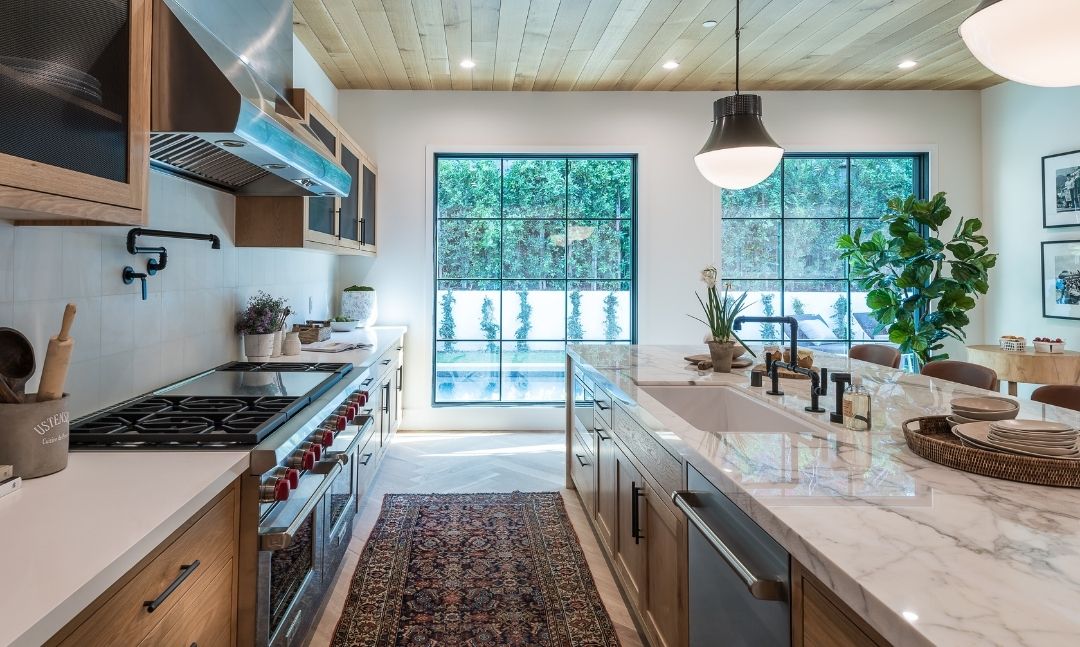
Quartzite – not to be mistaken for quartz – is made from natural quartzite stone; a metamorphic rock created under intense heat and pressure, deep inside the earth. The resulting countertop has different hues, is completely heat-resistant and comes with a veined appearance like marble.
Soapstone countertops
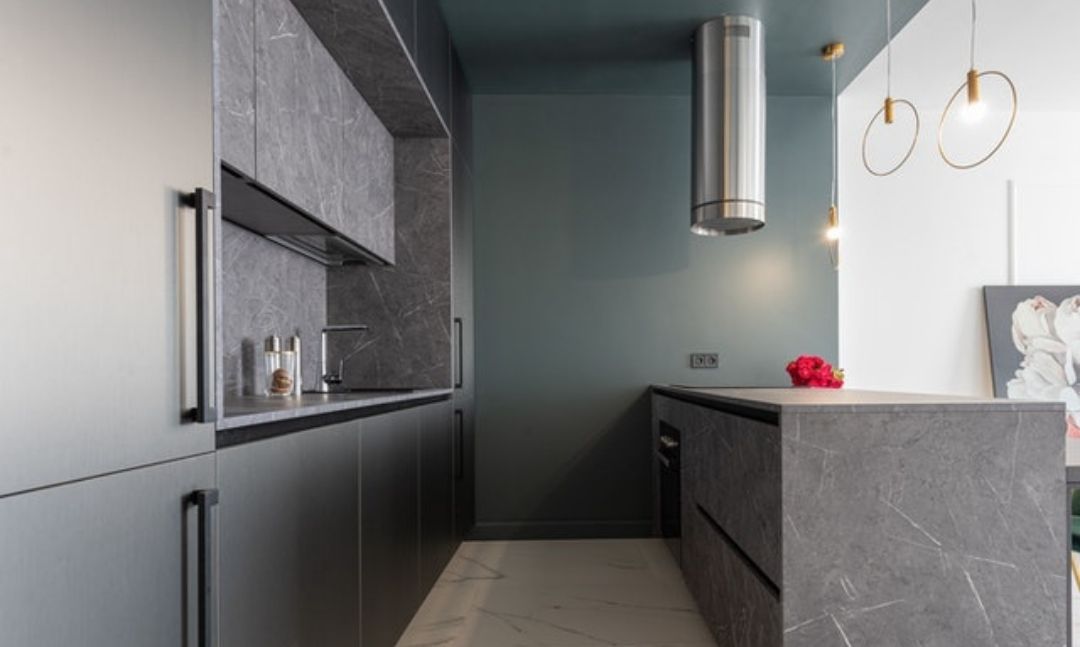
Soapstone combines the dark colors of granite with the light veining of marble. Its dark appearance – which gets darker over time – makes it ideal for creating contrast in kitchens with bright-colored cabinets.
When selecting countertops, Rock Bottom Granite advises you to talk to your local countertop store stone experts, browse the selections, and ask as many questions as you have!
Rock Bottom Granite would like to give special thanks to Jules, at Five Star Property Management, LLC, which is a locally owned, full-service management company of single-family homes, townhouses, condos, apartments, and homeowner’s associations. Located in the heart of Pocatello that also specializes in rental property in Pocatello and Chubbuck.
If you would like to find inspiration for your latest remodel or new build, feel free to browse Rock Bottom Granite’s Online Inventory or Pinterest!